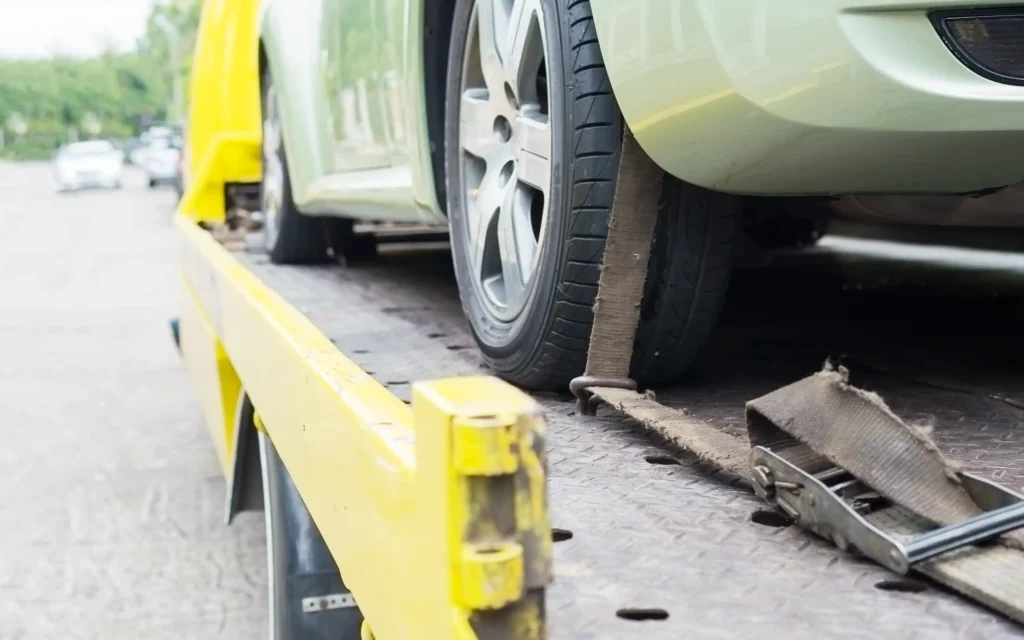

Can Bankruptcy Stop Car Repossession in Texas? Falling behind on car payments can create immediate stress. Most people rely on their vehicle to get to work, take kids to school, attend appointments, buy groceries, and keep daily life moving. When repossession becomes a real possibility, it can feel like everything is about to fall apart at once.
For many Texans, bankruptcy may be one option to stop or delay repossession and create a path to deal with the debt. The right answer depends on your payment status, the value of the vehicle, the loan balance, the type of bankruptcy, and whether the vehicle has already been repossessed.
The most important thing to know is this: timing matters. The sooner you speak with a bankruptcy attorney, the more options you may have.
Why Repossession Happens
When you finance a vehicle, the lender usually has a security interest in the car, truck, SUV, or motorcycle. If you fall behind on payments, the lender may have the right to repossess the vehicle under the loan agreement and applicable law.
Repossession can happen quickly. Some people receive warning letters. Others may not get much notice before the vehicle is taken. Once the vehicle is repossessed, the lender may sell it and later pursue a deficiency balance if the sale does not cover the full loan amount.
That deficiency debt can become another financial burden on top of losing transportation.
How the Automatic Stay Can Help
When a bankruptcy case is filed, the automatic stay usually goes into effect. The automatic stay is a legal protection that can stop many collection actions, including lawsuits, garnishments, foreclosure activity, collection calls, and repossession efforts.
If your vehicle has not yet been repossessed, filing bankruptcy may stop the lender from taking it while the bankruptcy case is active. However, the lender may later ask the court for permission to continue collection or repossession if payments are not addressed.
That means bankruptcy is not just a pause button. It needs to be part of a larger plan.
Chapter 13 May Help You Keep the Vehicle
Chapter 13 is often the more useful bankruptcy option for people who are behind on car payments but want to keep the vehicle. In Chapter 13, you make payments through a court-approved repayment plan, usually over three to five years.
Depending on the facts, Chapter 13 may allow you to catch up on missed payments, restructure certain vehicle debt, and keep the car as long as you make required plan payments and stay insured.
Chapter 13 can be especially helpful when the vehicle is necessary for work or family responsibilities. It may give you time to solve the problem instead of losing the vehicle immediately.
What About Chapter 7?
Chapter 7 may help eliminate qualifying unsecured debt, which can free up income for necessary expenses. But if you are behind on a car loan and want to keep the vehicle, Chapter 7 may not provide the same catch-up structure as Chapter 13.
In Chapter 7, you generally need to decide whether to keep paying for the vehicle, redeem it if eligible and practical, reaffirm the debt if appropriate, or surrender the vehicle. These choices should be reviewed carefully because each has different consequences.
For some people, surrendering an unaffordable vehicle in Chapter 7 may be the best financial decision. For others, keeping the vehicle is critical. The right answer depends on the budget, loan terms, vehicle value, and long-term goals.
If the Vehicle Has Already Been Repossessed
If your vehicle has already been repossessed, you should speak with a bankruptcy attorney immediately. Whether bankruptcy can help recover the vehicle depends on timing, sale status, the lender’s actions, and the specific facts.
Once the vehicle is sold, options may become much more limited. Waiting can reduce your leverage and make the situation harder to fix.
Do Not Hide or Transfer the Vehicle
When repossession is looming, some people panic and try to hide the vehicle, transfer it to someone else, or avoid communication entirely. These decisions can create legal and practical problems.
A better approach is to get advice quickly. An attorney can review the loan, payment history, repossession status, household budget, and bankruptcy options so you understand what is realistic.
Review the Full Financial Picture
Car repossession rarely happens in isolation. Many people behind on a vehicle are also dealing with credit cards, medical bills, payday loans, lawsuits, garnishments, mortgage pressure, or tax issues.
Bankruptcy may help address the broader debt problem instead of only focusing on one missed car payment. A consultation can help determine whether Chapter 7, Chapter 13, negotiation, surrender, or another strategy makes sense.
Talk to a Texas Bankruptcy Attorney Before It Is Too Late
J. Brian Allen helps individuals and families in Sulphur Springs, Paris, Greenville, Mount Pleasant, and Northeast Texas review Chapter 7 and Chapter 13 bankruptcy options. If you are behind on car payments or worried about repossession, do not wait until the vehicle is gone.
A free consultation can help you understand whether bankruptcy may stop repossession, help you keep the vehicle, or give you a better way to move forward financially.
This article is for general educational purposes only and is not legal advice. Bankruptcy and repossession outcomes depend on your loan, timing, income, assets, payment history, vehicle value, and applicable law. Speak with a qualified Texas bankruptcy attorney about your specific situation.